Women’s Hiking Trips: Taking Skill Levels Into Account
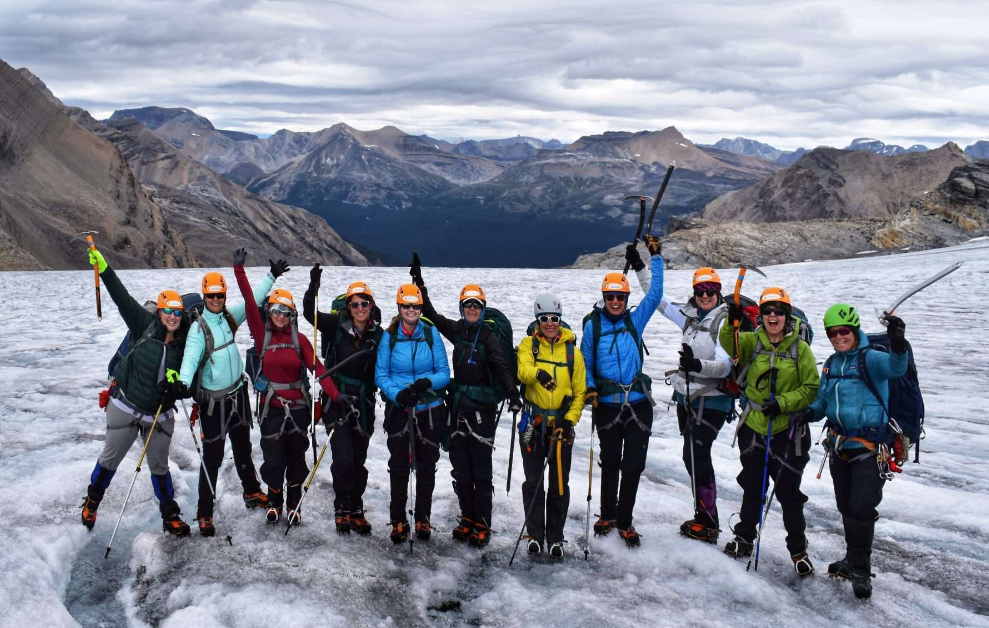
As more ladies of all ages seek outdoor adventures and connect with nature, women’s hiking trips have been gaining popularity. However, to ensure a safe and enjoyable experience, it’s crucial to consider personal capabilities and skill levels. Let’s go ahead and discuss the factors to assess when planning a hiking trip.
Assessing Your Skill Level
Physical Fitness
Evaluate your current fitness level and endurance to choose hikes that align with your capabilities. If you’re new to hiking, start with shorter and less challenging trails. Regular exercise and training can gradually improve your stamina for longer and more demanding hikes.
Hiking Experience
Reflect on your past experiences and the challenges you’ve encountered on women’s hiking holidays. Identify areas where you can improve or develop your skills. This self-reflection will help you gauge your comfort level and set realistic expectations for your future hiking trips.
Technical Skills
Assess your proficiency in navigation, first aid, and other essential hiking skills. Taking courses or workshops can enhance your abilities and boost your confidence on the trails. Learning how to read maps, administer first aid, and handle emergency situations can be invaluable in remote hiking areas.
Mental Preparedness
Consider your comfort level with different terrains, altitudes, and weather conditions. Mental resilience and adaptability are vital for unexpected situations. Build your confidence by gradually exposing yourself to various hiking challenges and learning to overcome obstacles.
Choosing the Right Hike for Your Skill Level
Research Trail Difficulty Ratings
Understand trail difficulty ratings and select hikes that match your capabilities. Online resources, guidebooks, and local experts can provide valuable information and recommendations. Opt for trails that challenge you without overwhelming your skill level.
Factor in Distance and Elevation Gain
Estimating the time required to complete a hike based on its distance and elevation gain helps balance gains and enjoyment. Consider your physical fitness and experience when deciding on the length and difficulty of a hike.
Consider Group Dynamics
When planning a women’s hike, ensure all group members have compatible skill levels. Discuss individual strengths and weaknesses to foster a supportive environment. This will allow everyone to enjoy the journey while supporting one another’s growth and development.
Conclusion
When organizing a women’s hiking trip, it’s essential to prioritize safety, personal growth, and enjoyment. By choosing hikes that align with your capabilities, you can create a memorable and empowering experience in the great outdoors. So, let’s embrace the adventure and embark on a journey that pushes your boundaries while nurturing your love for hiking.