
The Ethics of Africa Bow Hunting: Respecting Wildlife and Culture:
Bow hunting is an age-old practice that has been part of African culture for centuries. However, with the increasing interest of tourists in African bow-hunting safaris, there has been a growing debate over the ethics of bow-hunting. Critics argue that it is a cruel and unnecessary activity that harms wildlife, while proponents argue that it is a vital conservation tool that supports the livelihoods of local communities. In this article, we will explore the ethics of African bow hunting and discuss how to ensure that this activity is carried out in a way that respects both wildlife and culture.
Bow hunting in Africa is not the same as trophy hunting:
Firstly, it is essential to understand that bow hunting in Africa is not the same as trophy hunting, which involves killing animals solely for their heads, skins, and other body parts. African hunting safaris, including bow hunting, are typically conducted in areas where wildlife populations are abundant and where hunting is a vital part of local culture and economy.
Inherently ethical:
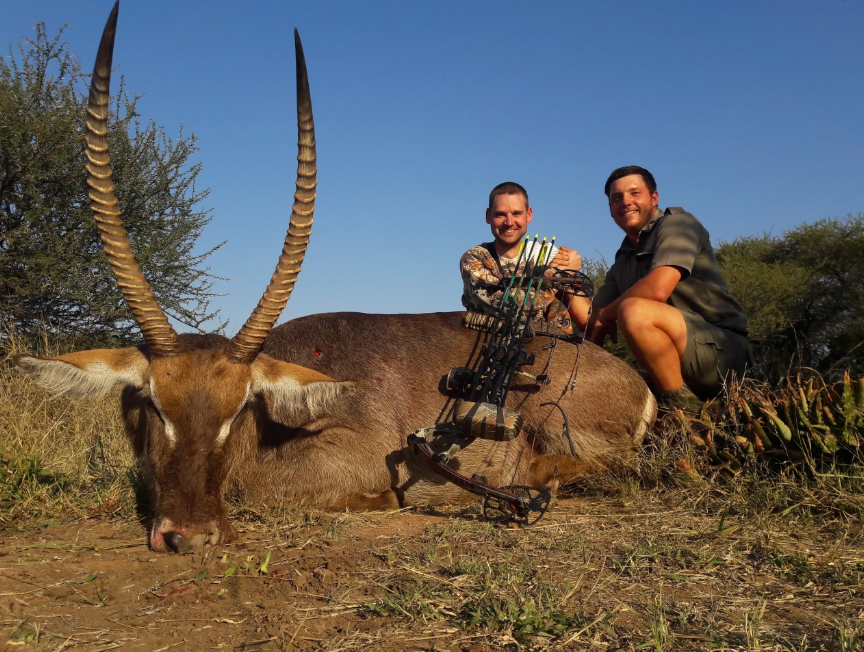
However, just because hunting can have benefits, it does not mean that it is inherently ethical. It is crucial to ensure that hunting is conducted in a way that minimizes animal suffering and respects the natural balance of ecosystems. Bow hunting also requires hunters to get close to their prey, which can be a more challenging and rewarding experience than shooting from a distance.
The cultural and spiritual significance of wildlife:
Another crucial aspect of ethical bow hunting is respecting the cultural and spiritual significance of wildlife to local communities. For many African cultures, animals hold deep spiritual and cultural meaning, and hunting is an important part of their traditions and identity. It is essential to ensure that hunting does not disrespect these cultural values or harm the natural balance of ecosystems.
Local laws and regulations:
In addition to respecting wildlife and culture, ethical bow hunting also involves adhering to local laws and regulations. African countries have varying hunting laws and regulations, and it is essential to understand and follow them to avoid legal trouble and ensure that hunting activities do not harm wildlife populations. Hunters should also work with reputable outfitters and guides who prioritize safety, sustainability, and ethical hunting practices.
Conclusion:
African bow hunting can be an ethical and rewarding activity that supports local communities and conservation efforts. However, it is essential to ensure that hunting is conducted in a way that respects both wildlife and culture. This involves using traditional hunting methods, respecting local traditions and cultural values, adhering to local laws and regulations, and working with reputable outfitters and guides.
Related Tags: African Hunting Safari